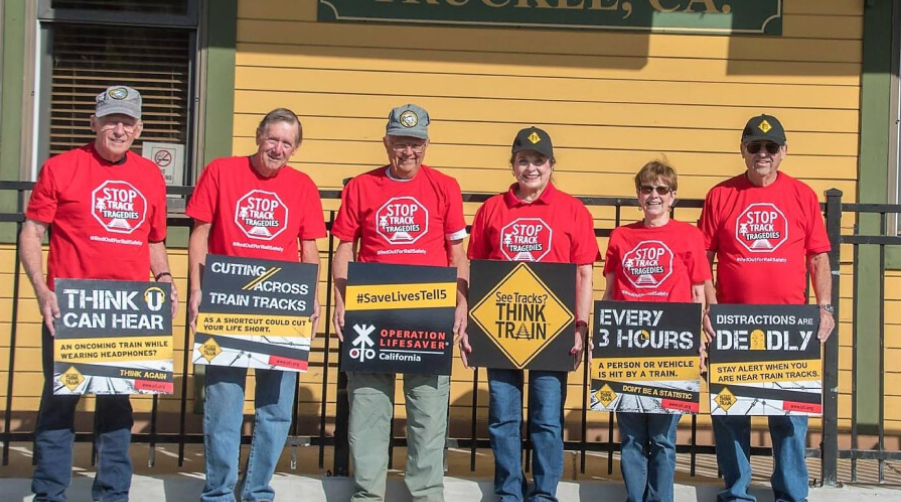
The backpacks are getting packed, the alarms are being set, and across California a new school year is just around the corner. Soon students will be walking and biking familiar routes, buses will be running their morning rounds, and many of those paths cross railroad tracks. Here is the hard truth: it only takes a few distracted seconds near the tracks for an ordinary school morning to turn into a tragedy.
The good news is that rail safety is simple, and it takes all of us. Here is what every student, bus driver, parent, and teacher should know this school year.
For Students:
Your Ears Are a Safety Tool
Picture this. You are walking to school, your favorite song is playing, and your mind is a thousand miles away. That is exactly the moment rail safety experts worry about most. Trains are quieter and faster than you think. They can run on any track, at any time, from either direction, and they do not follow a set schedule.
We know that distractions can be dangerous and wearing headphones, listening to music, a phone call, or a video playing can drown out the sound of an approaching train until it is too late to react. The fix is easy: turn the music off and take both earbuds out every time you are near a crossing. Eyes up, ears open, phone down. Every single time.

Never Film or Pose on the Tracks
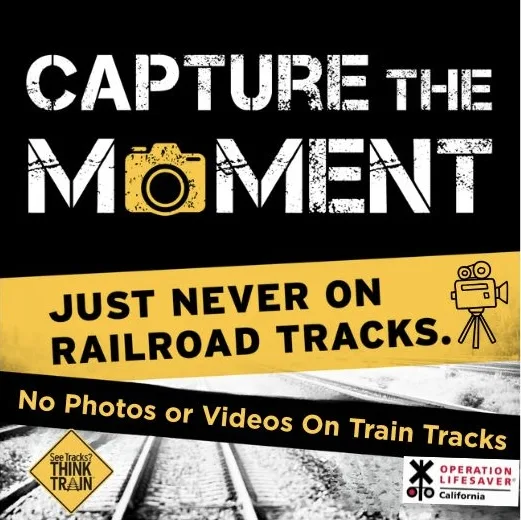
Too often railroad tracks are used as backdrop for photos and social videos, and that trend is putting young people in real danger. Taking photos or shooting videos on or near the tracks is illegal, and the tracks are private property, so being on them is trespassing.
Here is what makes it so deadly. A train can take a mile or more to stop, which is the length of 18 football fields and more than 15 soccer fields. An optical illusion makes it genuinely hard to judge how far away a train is or how fast it is moving, and by the time an engineer sees someone on the tracks, it is often too late to stop. No photo, no video, and no post is worth your life. A good rule of thumb: always assume railroad tracks are in use, even if there are weeds or the track looks unused. Always stay 15 feet back from the tracks.
Tracks Are Never a Shortcut
When you are running late, cutting across the tracks can feel like a quick way to save a minute, but it is illegal and it can cost you your life. Cross only at designated public crossings, never go around lowered gates, and never try to beat a train.
For SCHOOL BUS DRIVERS:
Cross With a Plan
Every school day, more than 25,000 school bus drivers across California carry students safely to and from school, and many of their routes include railroad crossings. A safe crossing is never rushed. Keep these essentials in mind every time:
- Slow down, activate flashers and stop. Stop no closer than 15 feet and no farther than 50 feet from the crossing.
- Turn off the radio and any noisy equipment, and ask passengers for quiet so you can look and listen in both directions.
- Stop where you have the best view, (no closer than 15 feet, no farther than 50 feet) look both ways, then cross only when you are certain no train is coming, and if your vehicle won’t fit, don’t commit.
For the full school bus crossing checklist and tips for every kind of traveler, visit our Rail Safety Tips page.

For Parents:
You Set the Example
Kids learn rail safety by watching the adults around them. When you put your phone down, remove your headphones, and cross only at designated crossings, your children learn to do the same. Take a few minutes before the school year gets hectic to walk or drive your student’s route with them. Point out any crossings, and talk through exactly how to handle them.
Keep the message simple enough for any age to remember: Stay Off. Stay Away. Stay Safe.

For TEACHERS:
A Two-Minute Lesson Saves Lives
Teachers and school staff reach students who walk, bike, and take transit to campus every day. A short, timely reminder about staying alert near tracks fits easily into a morning announcement or a first-week safety talk, and it reaches kids who may not hear the message anywhere else. Working together, families and schools can keep every student safe this school year.
This school year, let’s look out for one another. Explore more ways to stay safe near tracks and trains on our Rail Safety Tips page, and help every student get to school and home again safely.
Save Lives, Tell 5
Rail safety spreads one conversation at a time. Take the pledge and share these life-saving tips with five people you care about through our Save Lives Tell 5 campaign, then challenge them to tell five more.
Share this blog
Share this blog with your family, friends, and the teachers in your life, and help keep every student safe this school year.