As we embark on a busy 2025, choosing safety near tracks and trains should always be a constant message and commitment for us all.
Railroads are a vital part of our transportation infrastructure, connecting cities, towns, and communities across California and our nation. Every day, many people rely on commuter trains for travel, and both vehicle traffic and pedestrians move around locations with active rail lines. Given this, the importance of rail safety cannot be overstated.
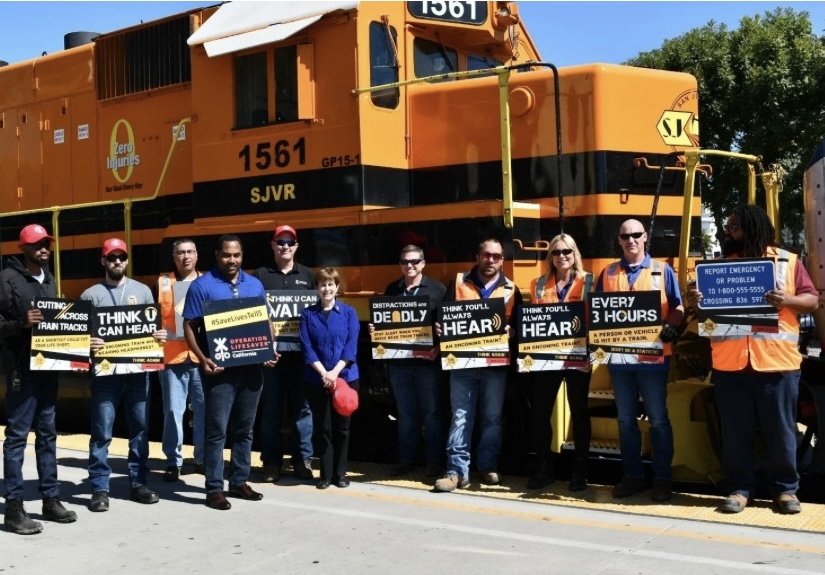
Unfortunately, incidents involving trains, vehicles, and pedestrians occur every 3 hours in the United States. But we can change this statistic by understanding the dangers and making safe choices near tracks and trains. Whether you are a daily commuter or someone walking or driving near active rail lines, here are some essential tips to ensure your safety.
National Passenger Safety Week, January 20 - 27, 2025 - Understanding the Risks
Those who board or exit trains must always be aware of the dangers posed by moving trains, crowded platforms, and potential hazards on or around the tracks. It is critical to understand that trains are not like cars—they cannot stop quickly and knowing and obeying the signs and warning signals are often the only alerts that can help prevent tragedies.
PEDESTRIANS: STAY ALERT AND BE AWARE. KEEP SAFETY IN MIND.
Commuting by train is a fast and efficient way to travel, but it is crucial to stay alert when using public transit. If you live near, use rail transit, or pass by rail lines, it is essential to know and follow these safety tips below.
Here is how to stay safe while riding on or being near tracks and trains:
- Stand Back
Observe the pavement markings. Stand back from the platform behind the painted or raised markings. Trains overhang tracks. Never run or ride scooters, skateboards, or bicycles in a station. - Avoid Distractions
While walking or driving near rail tracks, avoid distractions like texting, talking on the phone, or listening to music. Pay attention to your surroundings and remain aware of oncoming trains or signals. Distractions can be dangerous and deadly. - Stay Off the Tracks
Stay a Safe distance from rail transit. Never walk, run, or exercise on tracks.
If you drop an item on the tracks, do not attempt to retrieve it. Notify transit personnel. - See Tracks? Think Train®
Remain alert for oncoming trains on station platforms and while driving or walking. Listen and watch for pedestrian and traffic signals. - Be Aware of High Voltage
Never walk next to or in between the rails. High-voltage electrical power can run underground on a third rail or above trains. - Cross Legally and Safely
Cross only at designated crossings. Anywhere else is dangerous and illegal. Observe signs, signals, and pavement markings. Always look for a train. - Wait, Look Both Ways
Always expect a train. Trains are closer and faster than they appear. Multiple tracks may mean multiple trains. Look for additional trains on adjacent tracks.
COMMUTERS: BOARD AND EXIT SAFELY
Always wait for the train to come to a complete stop before attempting to board or exit.
Wait Until the Train Stops to approach the door. Let others exit before you board.
Mind the Gap
Watch your step when entering and exiting the train.
Remain Seated While the Train is in Motion
If standing, hold the handholds or handrails.
Hold Children’s Hands
Hold children’s hands on the platform, while boarding and exiting. Talk with them about Rail Safety.
Look Both Ways for Oncoming Trains.
Never climb, sit, stand, walk, or ride between or at the end of train cars.
TRANSIT SYSTEMS SHARE OUR ROADWAYS
Transit systems often share the roadways with us. Here’s to stay off, stay away, and stay safe!
Lowered gates, flashing lights, and ringing bells tell you a train is approaching.
Never drive or walk around lowered crossing gates!
Observe all warning signs, traffic and railroad signals and pavement markings, when sharing a lane with rail transit.
Never leave your vehicle on the tracks.
When sharing a lane, leave at least a car length or more between your vehicle and transit.
If your vehicle won’t fit, don’t commit!
Ensure your vehicle will completely clear the tracks without stopping.
Park within the pavement markings.
Leave enough room for transit to pass.
Always look for approaching transit.
RAIL SAFETY FIRST: A COLLECTIVE RESPONSIBILITY
Rail safety is a shared responsibility. We must do our part to stay alert, follow the signs, signals, and laws, and prioritize safety near tracks and trains. By following these simple yet essential tips, we can reduce the risks and ensure that everyone—whether traveling for work or just passing through—can enjoy a safe and secure journey.
Always Stay Alert, Respect the Rails, and Teach Others the importance of rail safety.
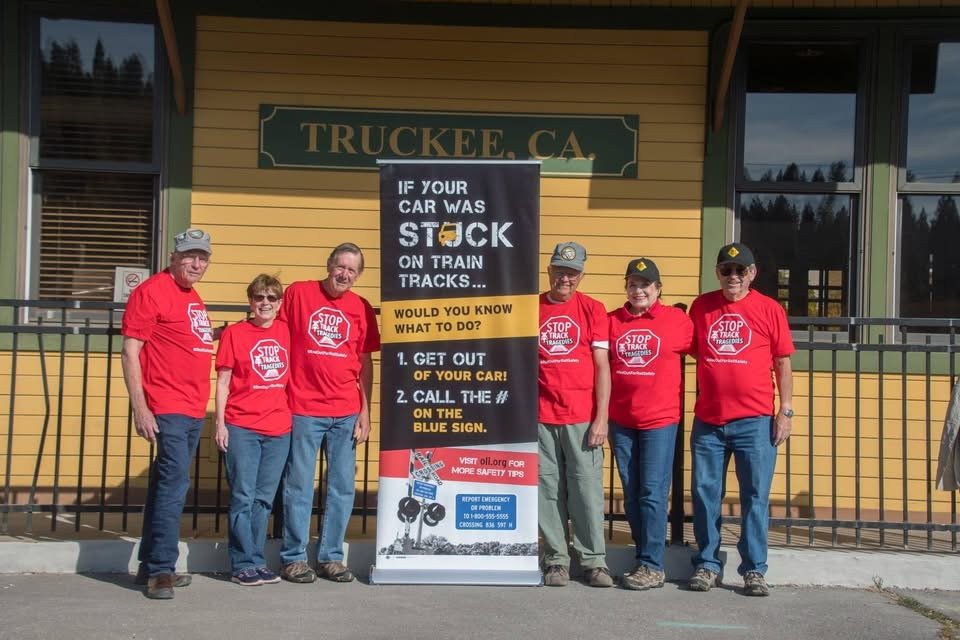
Together, we can Stop Track Tragedies.
Together we can make 2025 our best Rail Safety Year
#AlwaysExpectATrain #RespectTheRails #ChooseSafetyFirst #SaveLivesTell5!