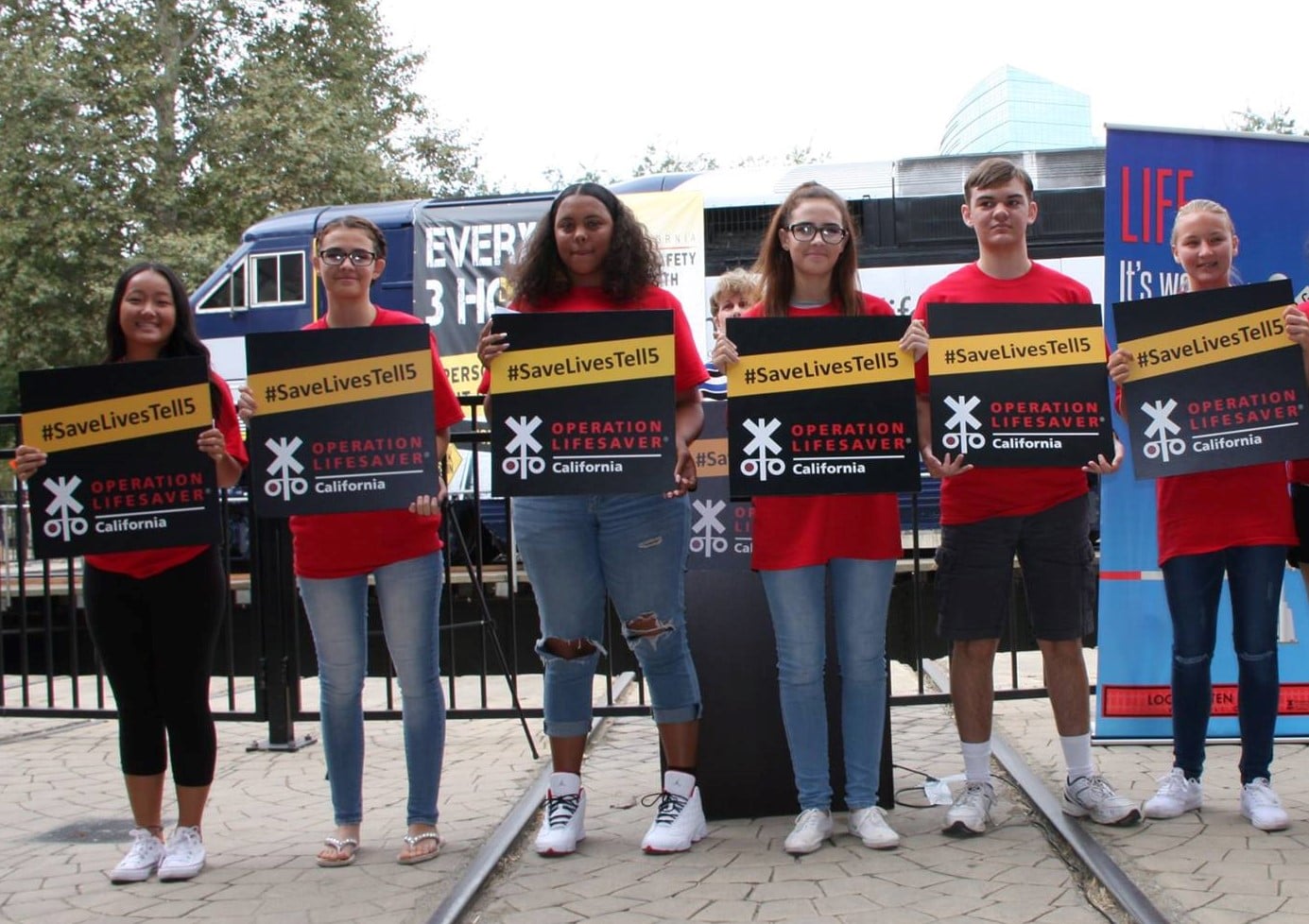
In today’s online web world, social media isn’t just a platform for selfies or memes—it’s a powerful tool that can drive change. Rail Safety is not necessarily a topic that will grab headlines, but social media can expand awareness, educate communities, and ultimately save lives. Here’s why this approach can significantly amplify our rail safety message.
Engaging People in Their Own Settings
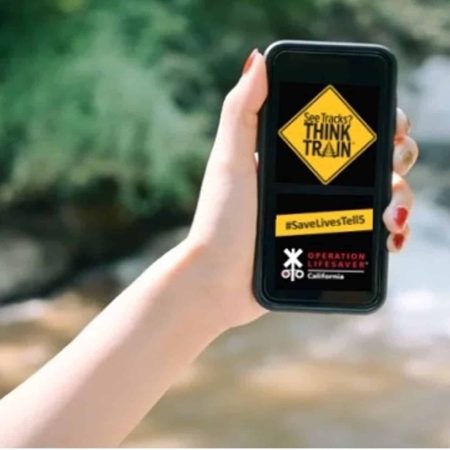
Real-Time Alerts Can Save Lives
Every three hours in the United States a person or a vehicle is struck by a train. This statistic alone emphasizes that timing is everything when it comes to sharing rail safety messages. Social media platforms allow rail authorities, advocates, and even everyday users a way to share real-time updates— this option can help people raise awareness on the critical need to make safe decisions near railroad tracks. A quick tweet or story can alert commuters to avoid dangerous behaviors near railroad tracks and potentially prevent senseless track tragedies. Sometimes sending out messaging swiftly matters, and social media can deliver that message accurately and quickly.
Compelling Storytelling
We gather facts and stats that are vitally important in helping us identify the need, the locations, the types of dangers that need to be addressed with rail safety education, but stories have a way of resonating in a way that relaying facts don’t. When you look at the variety of personal narratives that are shared on social media, those messages thrive and grow. When we address rail safety with educational videos about dangers or near misses, they are impactful.
The PSA’s that include testimonials from survivors, or tributes to those lost in tragic rail incidents provide real life impactful messaging. These posts don’t just inform; they emotionally connect with viewers, helping them understand the very real dangers of disregarding the signs, signals, and laws near railroad tracks. The Operation Lifesaver short PSA of a mother recounting how her son died trespassing on tracks, paired with effective visuals, was retweeted thousands of times, reaching an estimated 500,000 users. A viral educational video of a close call at a crossing can do more for awareness than a dozen posters ever could.

Every year hundreds of Americans are killed or seriously injured because they take risks around railroad tracks
Building a Supportive Community
Social media invites conversation. Using hashtags like #RailSafety #StopTrackTragedies #SeeTracksThinkTrain #StayOff #StayAway #StaySafe #SaveLivesTell5 sparks community engagement. Social media communication brings together concerned citizens, rail partners, rail workers and policy makers that can help spark movement and increase critical rail safety awareness. This prompts people and communities to share tips, call out risky behaviors, or push for better infrastructure, social media can create a ripple effect. Suddenly, it’s not just one voice—it’s a chorus of voices encouraging people to get involved by making safe choices near railroad tracks and sharing rail safety messages that can save lives.
Educating the Next Generation
We see it every day, our younger generations live online. All too often they become the ones at risk—taking selfies on tracks or ignoring warning signs for a thrill. Social Media Platforms can counter that with short, engaging content that debunk dangerous myths and provide reliable engaging content about rail safety that encourages them to make safe choices around tracks and trains. If we can reach them early, we are not just saving lives today—but shaping their views about making safe choices around railroad tracks and engaging them to become rail safety advocates of the future.
The Bottom Line
While rail safety is not as glamorous as other social media content, our education is critical. Trains and rail transit are a vital part of our world, yet tragic rail related incidents claim lives every day all year long—most are preventable. Utilizing social media can assist us in bridging the gap between awareness and action. It is our goal to turn passive scrollers into informed, cautious citizens. It’s not just about likes or shares; it’s about sparking a movement that keeps people safe.
Join us! Follow us on our social media, share our messages. The next time you’re online, like one of our posts, share it, share a story, or retweet it— think about it, you could be the difference between someone taking dangerous and illegal chances that could impact their life and the lives of their loved ones. Help us use the social media tools we have to make rail safety a priority. Lives depend on it. #StopTrackTragedies #SaveLivesTell5